Understanding the 7 Stages of Grief and How to Heal
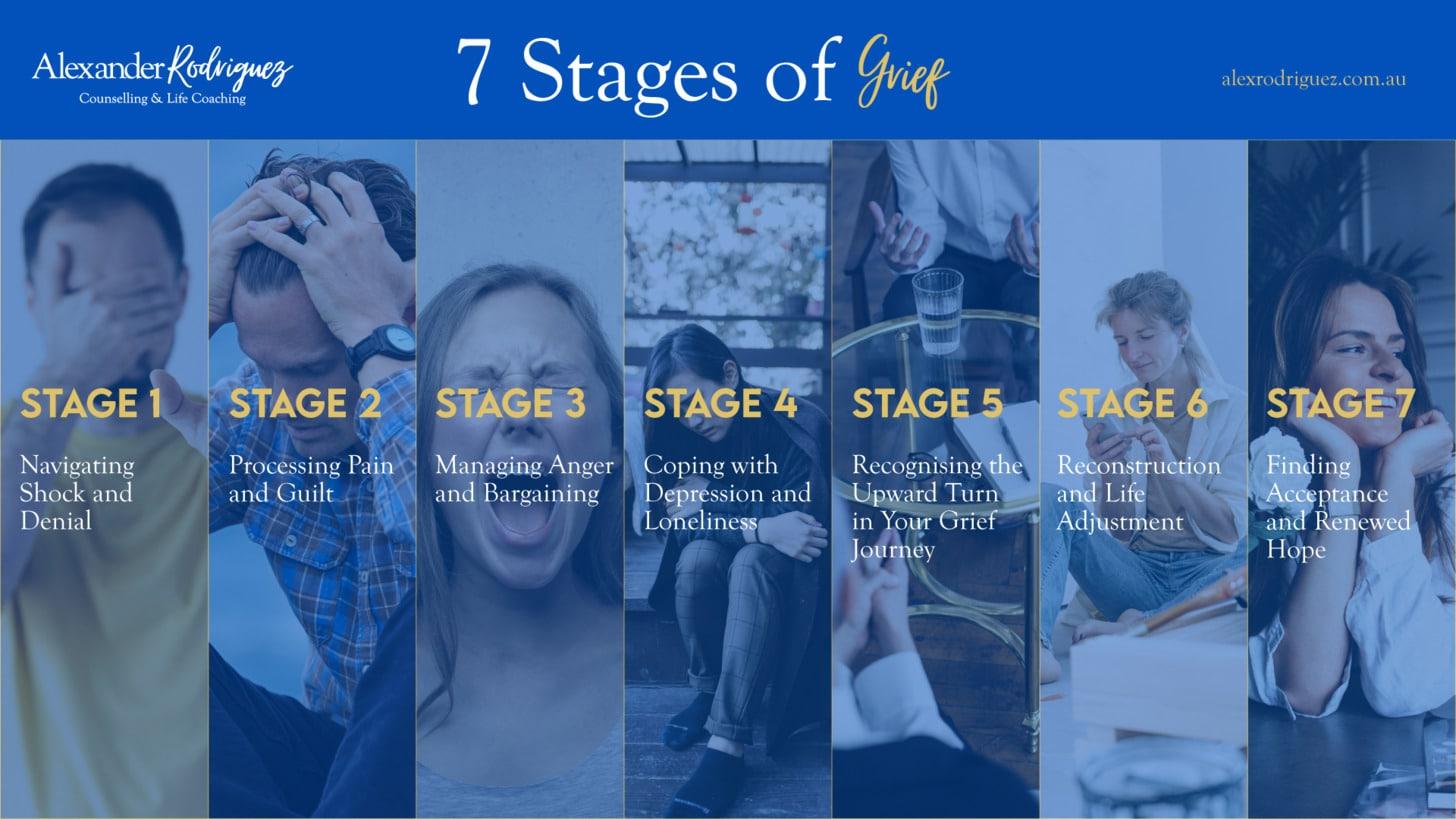
[et_pb_section fb_built=”1″ _builder_version=”4.16″ global_colors_info=”{}”][et_pb_row _builder_version=”4.16″ background_size=”initial” background_position=”top_left” background_repeat=”repeat” global_colors_info=”{}”][et_pb_column type=”4_4″ _builder_version=”4.16″ custom_padding=”|||” global_colors_info=”{}” custom_padding__hover=”|||”][et_pb_image _builder_version=”4.27.4″ _module_preset=”default” alt=”7 stages of grief” title_text=”7-stages-of-grief” src=”https://cms.alexrodriguez.com.au/wp-content/uploads/2025/07/7-stages-of-grief.jpeg” hover_enabled=”0″ sticky_enabled=”0″ admin_label=”Image”][/et_pb_image][et_pb_text _builder_version=”4.16″ background_size=”initial” background_position=”top_left” background_repeat=”repeat” global_colors_info=”{}”]
Grief is one of the most personal and profound emotional experiences we face. Whether it stems from the loss of a loved one, a life-altering transition, or the end of a meaningful chapter, grief affects us in unique and complex ways. While there’s no single roadmap for healing, understanding the emotional patterns that often accompany loss can offer clarity and comfort.
In this guide, we explore the 7 stages of grief, how they may appear in your life, and how supportive tools like grief counselling can help you navigate the journey with compassion and resilience.
Many people find counselling helpful as they deal with their feelings and accept their loss. This support is crucial for healing. It helps turn a tough experience into a chance for growth.
By facing the impact of loss and getting the right help, you can start to heal and move on. At Alex Rodriguez Life Coaching & Counselling, we help people through this tough time. We give them the tools and knowledge for lasting change.
Key Takeaways
- Understanding the 7 stages of grief can help you navigate the healing process.
- Professional counselling can provide valuable support during this journey.
- Acknowledging your emotions and seeking support is crucial for healing.
- Personal growth and transformation are possible with the right guidance.
- Seeking help is a sign of strength, not weakness.
The Nature of Grief and Its Impact
Loss affects many parts of our lives deeply. Grief is more than just feeling sad; it touches our mind, body, and spirit. Understanding grief and its wide-ranging effects is key as we go through it.
The Universal Experience of Loss
Loss is a part of life that everyone will face at some point. It can be losing a loved one, a relationship, or a big change. Grief counselling offers support, helping us deal with our feelings and adjust to new situations.
How Grief Affects Mind, Body, and Spirit
Grief shows up in different ways, impacting our emotions, health, and beliefs. The pain of loss can make us feel sad, angry, and confused. It can also make us tired, change how we eat, and disrupt our sleep. Spiritually, it can make us question our beliefs and the world around us.
| Aspect | Impact of Grief |
|---|---|
| Mind | Emotional pain, sadness, anger, confusion |
| Body | Fatigue, changes in appetite, sleep disturbances |
| Spirit | Challenges to beliefs, questioning meaning |
It’s important to understand grief’s many effects to find ways to cope. Recognizing grief’s complex nature helps us seek the right support, like grief counselling, to heal.
Understanding the 7-Stage Grief Model
The 7-stage grief model provides a deeper understanding of how people process loss. Rather than unfolding in a fixed sequence, these stages reflect the varied and often overlapping emotional responses individuals may experience. These include shock, denial, anger, bargaining, depression, testing, and acceptance. Each person moves through them in their own way and time, highlighting that grief is not linear but a highly personal journey shaped by individual experiences and circumstances.
Elisabeth Kübler-Ross’s Framework
Elisabeth Kübler-Ross’s framework, introduced in her 1969 book On Death and Dying, outlines five key stages of grief: denial, anger, bargaining, depression, and acceptance. Originally developed to describe the emotional process of terminally ill patients, the model has since been widely used to understand how people cope with various forms of grief, including the loss of a loved one, major life changes, or personal setbacks. While commonly viewed as a sequence, Kübler-Ross noted that these stages do not always follow a fixed order and that individuals may move through them in different ways and at different times.
Counselling has grown thanks to Kübler-Ross. It now has a clear way to help people deal with their grief.
Modern Adaptations for Different Types of Loss
Today, we know grief is not the same for everyone. It changes based on the loss, like losing a loved one or facing a big health issue. We offer support that fits each person’s needs.
Counselling now gives more personal help. It’s designed for those facing different kinds of loss.
Stage 1: Navigating Shock and Denial
The first stage of grief is often filled with shock and denial. It’s a time when the loss slowly becomes real. People might feel numb, unsure, or disconnected from what’s happening.
Recognising Denial in Your Grief Journey
Denial is a way to cope with the pain of loss. It helps people feel better for a while. It’s important to know that feeling numb or disconnected is a normal part of grieving.
Practical Steps to Move Through Initial Numbness
To get past the numbness, try grounding techniques. Let yourself feel your emotions slowly. Here are some steps:
- Allow yourself to acknowledge your feelings
- Engage in physical activities that help you feel connected to your body
- Seek support from loved ones or professionals, like grief counselling, to help you through this tough time
Grounding Techniques for Overwhelming Moments
Grounding techniques can help when you feel overwhelmed. Here are some effective methods:
| Technique | Description |
|---|---|
| Deep Breathing | Focus on slow, deliberate breaths to calm your mind and body |
| Physical Activity | Do gentle exercises like walking or yoga to reconnect with your body |
| Mindfulness | Practice being present in the moment, observing your thoughts without judgment |
Remember, moving through shock and denial is a journey. It’s okay to ask for help. Grief counselling offers a supportive space to explore your feelings and find ways to cope.
Stage 2: Processing Pain and Guilt
Dealing with pain and guilt is a big part of grieving. It needs kindness and understanding. People in this stage face strong feelings and physical signs that can feel too much.
Understanding the Physical Manifestations of Grief
Grief shows up in many ways, like feeling tired, eating less, or sleeping badly. These signs are how our body reacts to the deep sadness we feel.
Common Physical Symptoms of Grief:
- Fatigue or low energy
- Changes in appetite or weight
- Sleep disturbances
- Physical pain or discomfort
Healthy Ways to Address Guilt Feelings
Guilt is common when we’re grieving. It comes from regret or unfinished business with the person who passed away. It’s important to deal with these feelings in a good way.
Talking to a counsellor can help. They offer a place to talk about feelings and find ways to cope.
Self-Compassion Exercises for Guilt Relief
Being kind to ourselves helps with guilt and healing. Things like writing, meditation, and making art can help us be more gentle with ourselves.
| Exercise | Description | Benefit |
|---|---|---|
| Journaling | Writing down thoughts and feelings | Clarifies emotions and promotes reflection |
| Meditation | Practicing mindfulness and presence | Reduces stress and enhances self-awareness |
| Creative Expression | Engaging in art, music, or other creative activities | Provides an outlet for emotions and fosters healing |
By doing these activities regularly, we can handle the pain and guilt of Stage 2 better. This helps us move towards healing and getting better.
Stage 3: Managing Anger and Bargaining
In Stage 3, the grieving person must face and manage anger and bargaining. This is a key step towards healing. It’s a time of intense emotions, making it vital to find healthy ways to express them.
Constructive Outlets for Grief-Related Anger
It’s important to manage anger in this stage. Activities like exercise or art can help release feelings. Grief counselling also offers a safe space to talk about these emotions.
Breaking Free from the Bargaining Cycle
Bargaining is trying to control things by making deals with a higher power. Recognizing this pattern is the first step to moving on. Writing in a journal can be very helpful.
Journaling Prompts for Processing Difficult Emotions
- What are my feelings towards the loss?
- How have I been trying to cope with these emotions?
- What are some constructive ways I can express my feelings?
Using these prompts can help start processing emotions. Grief counselling offers extra support and guidance on this journey.
Stage 4: Coping with Depression and Loneliness
Dealing with grief can lead to Stage 4, where depression and loneliness are hard to handle. This stage makes everyday tasks and talking to others feel like big hurdles.
Distinguishing Grief Depression from Clinical Depression
Understanding the difference between grief-related depression and clinical depression is essential for seeking the right support. Grief is a natural emotional response to loss, and while it can involve deep sadness, it typically comes in waves and is connected to thoughts of the person or situation lost. In contrast, clinical depression is a diagnosable mental health condition marked by persistent low mood, loss of interest, and impaired daily functioning, often without a clear external trigger.
As grief experts note, “Grief is not a sickness; it’s a natural way to react to loss.” However, if symptoms of grief become overwhelming, prolonged, or begin to disrupt everyday life, it may indicate the need for professional support such as grief counselling or mental health treatment. Recognising this distinction ensures individuals receive the care that best fits their emotional and psychological needs.
Building Support Networks in Australian Communities
Having a support network is crucial in this stage. In Australia, there are many resources like support groups and counselling services. Talking to others who get what you’re going through can offer comfort and advice.
Daily Practices to Combat Isolation
Beating loneliness needs daily efforts. Simple steps like calling a friend or doing a hobby can help. Creating a routine that includes socialising and self-care boosts mental health.
- Connect with others through support groups or social events.
- Engage in activities that bring joy and fulfillment.
- Seek professional counselling to address depression and loneliness.
Understanding Stage 4’s challenges and using available support can help people get through this tough time.

Stage 5: Recognising the Upward Turn in Your Grief Journey
As you go through grief, you might notice small changes that show healing is starting. This stage is key because it’s when grief’s intensity starts to fade. You’ll find more moments of peace.
Signs That Healing Has Begun
Healing takes time, and there are signs you’re getting better. You might start smiling again or feel joy without guilt. Your energy might come back, letting you do things you loved before.
These small changes are big signs you’re moving forward.
How to Nurture Emerging Positive Moments
It’s important to hold onto these positive moments. Enjoy the little things, like a beautiful sunset or a great cup of coffee. Do things that make you feel calm and happy, like reading or gardening.
Grief counselling can also help a lot. It helps you deal with your feelings and find ways to cope.
Creating New Rituals and Traditions
Starting new rituals and traditions is a great way to remember your loved one while moving on. You could keep family traditions or start new ones that celebrate happy memories. For instance, you might create a new tradition on their birthday or anniversary.
| Rituals | Benefits |
|---|---|
| Annual Memorial Day | Honours the memory of your loved one |
| Family Gatherings | Strengthens family bonds and creates new memories |
| Personal Reflection Time | Allows for emotional processing and healing |
By noticing and caring for these positive changes, you can keep healing. Remember, healing isn’t about forgetting your loved one. It’s about learning to live with your loss in a way that honours their memory.
Stage 6: Reconstruction and Life Adjustment
Rebuilding your life after loss is key in Stage 6. It’s a vital step towards healing. At this stage, you start to rebuild, finding new ways to deal with your loss.
Practical Steps for Rebuilding Your Life
Reconstruction means taking action to adjust to your new life. This includes:
- Creating a new daily routine with activities you love
- Connecting with friends and family for support
- Going to counselling to handle emotional challenges
- Exploring new hobbies to make your life richer
Integrating Loss into Your New Normal
Integrating your loss into your new life is about living with grief and still finding joy. It takes time and support.
Setting Healthy Boundaries During Reconstruction
Setting healthy boundaries is important during this time. It means knowing your emotional limits and telling others. For instance, you might choose to limit social events or take time for yourself.
By following these steps and getting counselling support, you can move through Stage 6 well. This helps you keep moving towards healing.
Stage 7: Finding Acceptance and Renewed Hope
Acceptance is not the end of grief, but a new start. It’s filled with hope and new possibilities. At this stage, you start to rebuild your life, including your loss in your story.
What Genuine Acceptance Looks Like
Genuine acceptance means you acknowledge your loss and learn to live with it. It’s a journey that involves:
- Embracing the reality of your loss
- Finding ways to honor your loved one
- Gradually rediscovering joy and meaning
Acceptance doesn’t mean the pain is gone. It means you’ve found a way to live with it. Grief counselling can help you on this journey, offering a safe space to share your feelings.
Creating Meaning from Your Grief Experience
Creating meaning is a powerful way to turn your grief into something positive. This can include:
- Engaging in legacy projects that honor your loved one
- Sharing your story to help others
Legacy Projects and Honoring Connections
Legacy projects help keep your loved one’s memory alive. This might include:
- Creating a memorial garden
- Supporting a cause they cared about

Through grief counselling, you can find support in navigating these complex emotions. You’ll discover new paths forward.
How Professional Grief Counselling Facilitates Healing
Professional grief counselling is very important. It gives a safe place to talk about feelings and explore them. When people are grieving, counselling offers support and understanding.
Evidence-Based Approaches to Grief Therapy
Grief therapy incorporates a range of evidence-based approaches tailored to the individual’s unique experience of loss. Cognitive Behavioural Therapy (CBT) is commonly used to help individuals identify and reframe unhelpful thought patterns that contribute to prolonged emotional distress. Narrative therapy encourages people to explore their grief story, allowing them to make sense of their loss and discover new meaning. These approaches, among others, provide structured and supportive ways to process grief and promote healing.
When to Seek Professional Support
Knowing when to get help is key. Signs you might need counselling include persistent feelings of hopelessness or trouble managing daily life. It’s a sign of strength to seek help when grief feels too much.
Australian Mental Health Resources for Grief
Australia offers a range of resources to support those experiencing grief. Services such as Lifeline and Beyond Blue provide 24/7 helplines and online support for anyone in emotional distress. For more tailored help, professional grief counselling with qualified mental health practitioners can offer personalised guidance. Accessing these resources can make a meaningful difference in how individuals process and navigate their grief.
Using these resources can help people deal with their grief better.
Alex Rodriguez’s Specialised Grief Support Services
Grief can be an isolating experience, but you don’t have to face it alone. At Alex Rodriguez Life Coaching & Counselling, I offer personalised grief counselling tailored to your unique journey. Whether you’re coping with the loss of a loved one, a relationship, or a major life transition, my support services are designed to help you process your emotions and move toward healing with care and understanding.
One-on-One Grief Counselling
Our one-on-one sessions are a safe place to share your feelings. We focus on your unique grief journey. Together, we’ll find ways to cope and grow stronger.
Support for Life Transitions and Emotional Loss
Grief isn’t just about losing someone close. It can also come from big life changes or emotional losses. Our services help you through these tough times, offering support and guidance.
Flexible Online and On-Site Session Options
We know flexibility is important when you’re going through hard times. That’s why I offer both online and in-person sessions. This way, you can get the support you need from anywhere.
Counsellor Booking Process and What to Expect
Getting started is simple. Visit my counsellor booking page to schedule your session. In your first appointment, we’ll discuss your concerns and create a personalised plan to support your grief journey with clarity and care.
Conclusion
Understanding the 7 stages of grief is an important step toward healing. It allows you to recognise the complex emotions that come with loss and gives you a framework to make sense of your experience. While grief is deeply personal, you don’t have to go through it alone.
Professional counselling offers a safe, supportive space where you can explore your feelings, process each stage of grief, and begin to rebuild. It helps you honour your loss while also finding new strength, meaning, and hope. If you’re navigating grief, reaching out for support is not a sign of weakness which in itself is a powerful act of self-care and healing.
FAQ
What is grief counselling, and how can it help me?
Grief counselling is a therapy that helps people deal with loss. It offers a safe space to talk about feelings and find ways to heal. It’s about coping with grief and moving forward.
How do I know if I need professional grief counselling?
You might need it if you’re finding it hard to handle your emotions. Or if grief is lasting too long and affecting your daily life. A counsellor can provide the support you need to get through it.
What can I expect from a grief counselling session?
Expect a supportive talk with a trained counsellor. They’ll listen to your story and help you understand your feelings. Together, you’ll find ways to cope and move forward.
Are grief counselling services available online?
Yes, many services, including Alex Rodriguez Life Coaching & Counselling, offer online support. This makes it easier for people to get help when they need it.
How long does grief counselling typically last?
The length of counselling varies. It depends on how much support you need. A counsellor will help you figure out what’s best for you.
Can I access grief counselling services in person?
Yes, Alex Rodriguez Life Coaching & Counselling offers both online and in-person sessions. You can choose what works best for you.
Are there any additional resources available for supporting grief?
Yes, there are many resources in Australia for those dealing with grief. This includes support groups and online help. A counsellor can help you find these resources and create a support plan.
[/et_pb_text][/et_pb_column][/et_pb_row][/et_pb_section]